
The Next Frontier in Ranch Connectivity with Cellular Cameras
Connectivity has become as important as camera quality for today’s cellular cameras. In remote ranching regions, the strength of your cellular signal can mean the difference between seeing hog activity live or missing it completely.
As 5G expands across the U.S., many ranchers are asking whether it is time to upgrade from 4G. The answer depends on your land, your carrier, and your camera system. Here is what every landowner should understand before investing in a next-generation cellular camera.
Understanding 4G vs. 5G in Plain Terms
Both 4G and 5G are cellular networks that send data between your camera and your phone.
| Feature | 4G Network | 5G Network |
| Availability (as of 2025) | Nationwide, strong in rural areas | Growing rapidly but still limited in remote regions |
| Average Speed | 20–100 Mbps | 100–1,000 Mbps |
| Latency (delay) | 50–100 ms | 10–20 ms |
| Power Consumption | Moderate | Slightly higher depending on device optimization |
| Best Use | Wide-area reliability | High-speed video and multi-device operations |
In short, 4G remains the reliable choice for rural coverage, while 5G delivers superior speed and responsiveness where it is available.
Coverage Still Rules the Ranch: Why It Matters for Cellular Cameras
For most ranchers in 2025, coverage is still more important than speed. A fast 5G signal does not help if it drops halfway across your pasture.
Before choosing a camera system, check which carrier offers the most consistent coverage in your region:
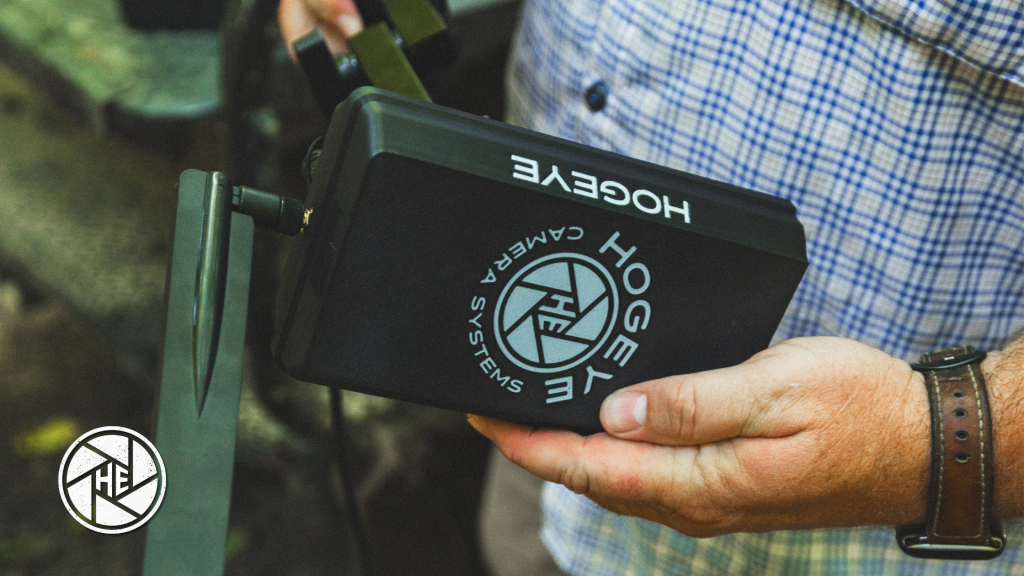
HogEye cameras are optimized for 4G LTE networks, ensuring performance even where 5G coverage is limited. This provides stable live-video streaming, dependable alerts, and lower data costs without requiring a 5G upgrade.
How 5G Improves Live Monitoring
In areas with strong 5G signal, ranchers can expect several improvements:
- Lower latency for faster, more responsive video
- Higher bandwidth that supports clearer, high-definition feeds
- Greater network capacity for multiple cameras operating simultaneously
For ranchers managing large properties or multiple traps, these advantages mean more reliable real-time awareness. With 5G connectivity, several HogEye Mini cameras can operate at once, each delivering live updates and motion alerts without lag.
The Real Cost of Data Plans
Speed is important, but data efficiency determines real savings.
Live-video systems such as HogEye are designed to transmit efficiently, using only the data needed to maintain smooth real-time feeds. Most ranch setups use between 1 and 3 GB per month per camera, depending on alert frequency and viewing time.
Avoid plans that charge per-photo or per-upload, which are common with older trail cameras. Instead, select a flat-rate or unlimited data package designed for ranch monitoring.
If 5G is available in your area, data costs may be slightly higher, but the added reliability and response speed often justify the difference.
Should You Upgrade to 5G Yet?
The short answer depends on your coverage.
- If you are in a strong 4G area: Stay with it. HogEye performs perfectly on LTE networks and provides the full experience.
- If your ranch is near a 5G tower: Consider adding a 5G-capable plan to prepare for future growth.
- If coverage is mixed: Begin with 4G and upgrade later. You can replace the SIM or update your plan once 5G becomes more consistent in your region.
For most ranches in 2025, 4G remains the best combination of reliability, range, and cost efficiency.
Cellular Cameras: The Bottom Line for Ranchers
Ranchers do not need hype. They need dependable systems that work in real-world conditions.
Whether operating on 4G or exploring early 5G access, HogEye live-video cellular cameras are designed to deliver clear, consistent performance.
Connectivity equals control, and HogEye ensures you have both.
Explore HogEye Cameras [https://hogeyecameras.com/buy-now/]