
What Problems Do Ranchers Face That Cellular Cameras Can Actually Fix?
Running a ranch means managing more than livestock. It’s a constant fight against weather, wildlife, trespassers, and time. Every acre brings something new to watch. While traditional trail cameras help identify problems after they happen, cellular cameras let you see issues as they unfold, before the damage is done.
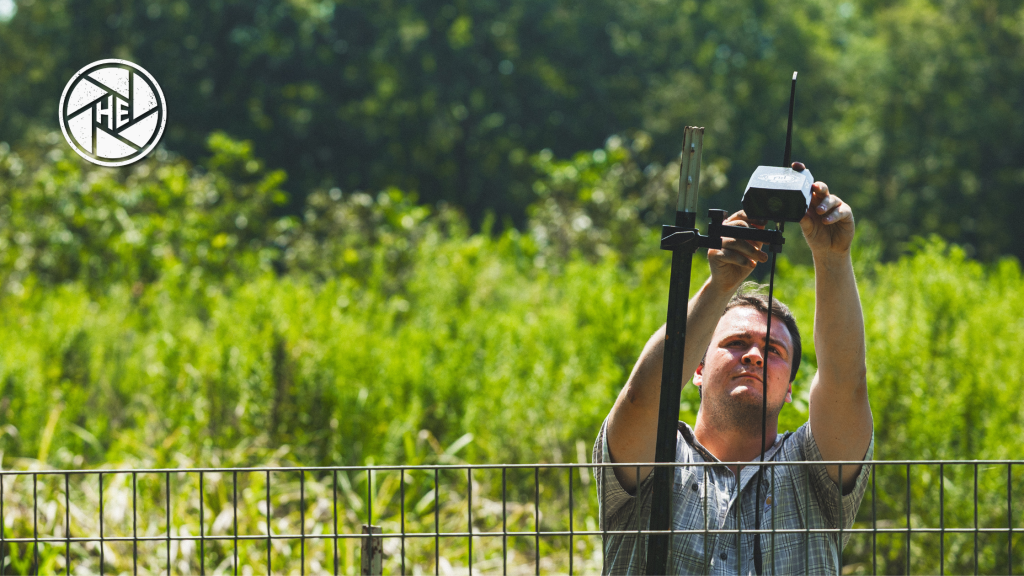
Cellular cameras like HogEye Mini close that gap by letting ranchers see problems in real time. Below are five issues that connected cameras solve instantly and permanently.
1. How Can I Stop Livestock Theft or Trespassing Before It Happens?
Cattle theft and illegal access have risen sharply in many ranching regions. A single stolen cow or damaged gate can cost hundreds or even thousands of dollars.
Real-Time Detection
With HogEye’s live video feed and motion alerts, you can see what is happening the moment it occurs. Instead of discovering evidence after the fact, you can identify vehicles, people, or movement right away.
Remote Response
When alerts come through, ranchers can contact neighbors or local authorities instantly. In many cases, simply installing visible cameras is enough to deter repeat trespassers.
2. How Do Cellular Cameras Prevent Feral Hog Damage?
Feral hogs can destroy a pasture overnight. They uproot feed areas, damage fencing, and scare off deer and livestock. The economic loss across the U.S. now exceeds 1.5 billion dollars annually.
Early Detection and Continuous Monitoring
Cellular cameras watch feeding areas and trap zones around the clock. When movement is detected, HogEye sends an immediate alert so you can see whether a sounder has arrived.
Smarter Trapping Decisions
Knowing exactly when hogs are in the area allows ranchers to trigger traps at the right time and capture the full group. This saves feed costs, reduces soil damage, and keeps recovery time short after heavy rooting.
3. Can I Really Monitor Traps Without Driving Out There?
Yes. HogEye cameras were designed specifically for remote trap monitoring.
Instant Visual Confirmation
Instead of guessing whether a trap has sprung, ranchers can open the live feed and see the trap in real time. This saves fuel, travel time, and labor hours—especially on large properties with multiple trap setups.
Efficient Capture Management
You can confirm the presence of an entire sounder before closing the gate. This prevents wasted trips and ensures each trapping event is productive.
This topic connects directly to [Monitoring Mistakes: What Ranchers Often Get Wrong About Hog Cameras] [link to September Blog 5], which explains how delayed checks and misread alerts can cost entire captures.
4. What About Feed Loss and Unexplained Waste?
Unattended feed sites are often a source of hidden losses. Animals knock over barrels, hogs contaminate feed troughs, and raccoons or coyotes steal more than they should.
Watch Every Feeding Cycle
With cellular cameras placed near feeders or supplement stations, you can review each feeding cycle to understand what is really happening. If hogs are invading feed zones at night, you will know exactly when and how often.
Reduce Wasted Feed Costs
Once patterns are identified, ranchers can move feed sites, adjust timers, or install physical deterrents to reduce loss. Over time, these changes can save hundreds of dollars per month.
5. Can Cellular Cameras Really Help Protect Equipment and Property?
Absolutely. Equipment left out in the field is a major investment risk.
Visual Verification, Day or Night
HogEye’s night vision and live-video feed allow you to monitor fuel tanks, fencing materials, and trailers even in total darkness. Cameras can be mounted on barns, gates, and pastures for 360-degree coverage.
Immediate Alerts on Movement
When movement occurs around protected areas, you receive an instant alert and can check the live feed to verify whether it is a person, animal, or weather event. This quick verification saves time and reduces false alarms.
How Do Cellular Cameras Pay for Themselves?
Each of these problems carries measurable costs. A single prevented theft or full-sounder capture can offset months of operating expense. Ranchers using HogEye often report savings in three main areas:
- Fuel and labor, from fewer physical checks
- Feed costs, through reduced waste and damage
- Equipment losses, due to better visibility and faster response
When your cameras run 24 hours a day and alert you instantly, the return on investment becomes clear.
The Bottom Line
Cellular cameras are no longer just tools for hunters. They are essential infrastructure for the modern ranch. By solving real, everyday problems with live video and remote monitoring, HogEye gives ranchers back what they value most—time, control, and peace of mind.
Explore HogEye Cameras [https://hogeyecameras.com/buy-now/]