
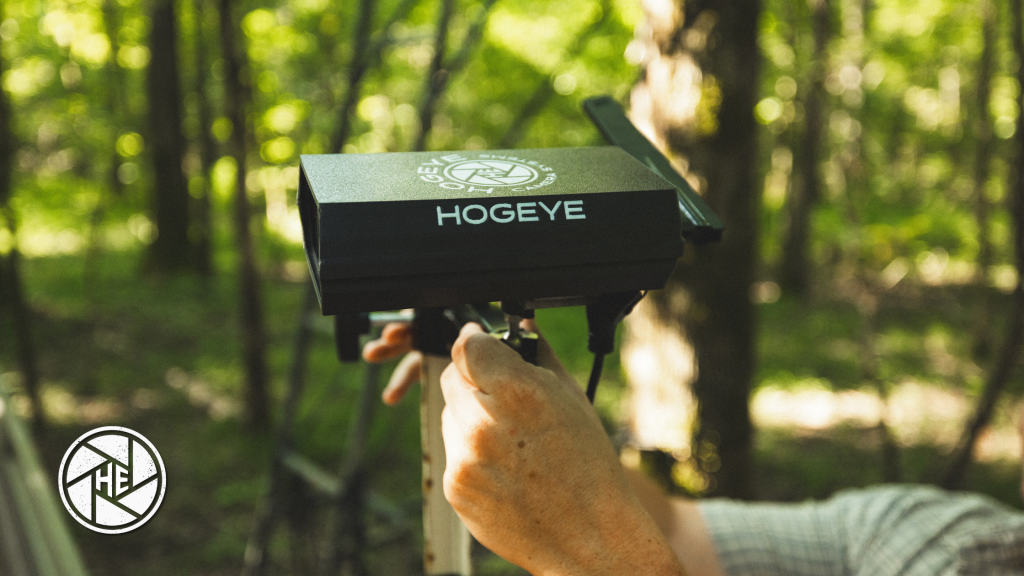
What 5G Means for 5G Ranch Cameras in 2026
Every few years, the tech world promises a revolution—and 5G was supposed to be the one that solved rural connectivity forever. But for ranchers looking at 5G ranch cameras, the reality is more complicated. While 5G networks are growing quickly across U.S. cities and highways, many ranchers still live and work outside those signal zones. Understanding how 5G really works—and when it actually helps—can save you time, frustration, and money when choosing your next off-grid camera system.
While 5G networks are growing quickly across U.S. cities and highways, many ranchers still live and work outside those signal zones. Understanding how 5G really works—and when it actually helps—can save you time, frustration, and money when choosing your next off-grid camera system.
4G vs 5G: What’s Actually Different?
4G (LTE): The Reliable Workhorse
4G LTE is still the foundation of most rural connectivity. It operates on lower frequency bands (600–850 MHz), which travel long distances and penetrate trees and structures more effectively.
Most off-grid cameras, including the HogEye Camera System, use 4G LTE to maintain strong, reliable links even in remote terrain. It’s the network that reaches where broadband doesn’t.
5G: Higher Speeds, Smaller Reach
5G promises faster speeds and lower latency, but those benefits depend on band type:
- Low-band 5G: Travels far (up to several miles) but is only slightly faster than 4G.
- Mid-band 5G: Offers real speed improvements but needs more towers.
- High-band (mmWave) 5G: Delivers incredible speeds but only works within line-of-sight, typically in urban zones.
In rural America, most carriers are deploying low-band 5G—which behaves a lot like LTE in practice.
What That Means for Cellular Camera Users
If your property already has 4G coverage, you’re in good shape. HogEye’s LTE-based system is compatible with existing infrastructure and will automatically connect to stronger 5G signals as they become available.
For now, the key isn’t which “G” your camera supports—it’s whether you have reliable signal strength and antenna placement.
If you’re in a low-signal area, HogEye’s external omni-directional antenna can make the difference between a lagging stream and a perfect live feed. Always test your coverage first with a phone on the same carrier network you plan to use for your camera.
How to Check Rural 5G Coverage Before Buying
- Use Carrier Maps
Visit your provider’s coverage map, zoom in on your ZIP code, and look for overlapping 4G and 5G zones. AT&T, Verizon, and T-Mobile all publish updated coverage layers. - Test in the Field
Walk your property with your phone in diagnostic mode (or use a simple speed test app). Signal readings below –110 dBm indicate poor connectivity. - Check Tower Proximity
Free tools like CellMapper.net show which bands are active in your area. If Band 12 or 71 is available, you’re covered for LTE—and likely ready for 5G low-band as well.
If your readings are weak, plan for an external antenna setup or place your HogEye solar panel and camera near a high point like a gatepost or shed roof.
Why HogEye Sticks With LTE (For Now)
While competitors rush to label their devices “5G-ready,” most rural networks simply don’t provide true 5G bandwidth yet. HogEye’s focus remains on reliability over marketing—prioritizing strong LTE connectivity, deep-cycle power, and live video control.
When 5G mid-band coverage becomes consistent in rural zones, HogEye’s modular architecture will allow for quick upgrades without replacing existing equipment.
For more on how signal reliability ties into total uptime, see How to Build an Off-Grid Ranch Surveillance Network That Actually Works.
Real 5G Ranch Cameras Connectivity Tests Coming Soon
Ranchers across Texas, Oklahoma, and Louisiana are already testing HogEye’s performance in mixed 4G and 5G environments.
Choosing the Right 5G Ranch Cameras in 2026
5G might be the future, but 4G LTE still powers most of rural America—and that’s not a problem. HogEye’s cameras are engineered to perform under either signal, using solar energy and deep-cycle batteries to stay live when others fail.
If your ranch needs eyes everywhere, even beyond 5G’s reach, you already have the solution.
Explore HogEye’s off-grid camera systems and stay connected where coverage ends.