
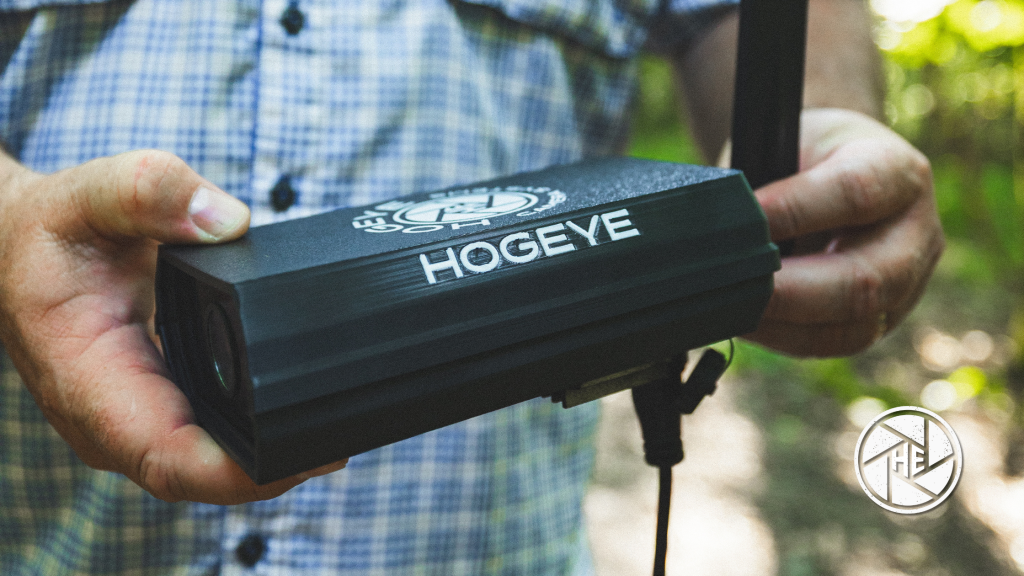
The Hidden Costs of Cheap Off-Grid Cameras
Cheap off-grid cameras continue to flood the market—Reolink, Vosker, Muddy, Tactacam, and dozens of unbranded Amazon imports. They promise “wireless security,” “solar power,” and “low monthly cost.” And for homeowners or hobby users, that might be enough.
But ranchers aren’t hobby users.
Ranch operations demand 24/7 uptime, real-time visibility, and dependable trap monitoring—in the rain, in the heat, in the mud, and miles from the nearest outlet. Cheap cameras simply aren’t engineered for those conditions.
This article breaks down the real, recurring, and often invisible costs that ranchers pay when they choose the cheapest off-grid cameras. And more importantly, it explains how those costs compare to the long-term reliability of a purpose‑built HogEye system.
Why Cheap Cameras Seem Appealing (At First)
Most low-cost off-grid cameras attract ranchers for three reasons:
- Low purchase price ($100–$450 range)
- “Solar power included” marketing
- Basic image or clip alerts via LTE
If your only goal is to see photos of activity, they can do the job. But trap management, livestock monitoring, and property protection require far more.
Cheap cameras hide their true costs in their:
- Power systems
- Data plans
- Durability
- Failure rates
- Missed-capture losses
Let’s break each one down.
1. Power Problems: Where Cheap Cameras Fail First
Budget cameras rely on:
- Small solar trickle panels
- Internal lithium packs
- AA/AAA batteries
- Low-quality controllers
These cannot support:
- Overnight operation
- Continuous motion events
- Cold or cloudy periods
- Live monitoring sessions
When power drops, so does your:
- Trap visibility
- Motion detection
- Trigger timing
- Evidence capture
HogEye avoids these failures with:
- High-output solar arrays
- Weather-rated charge controllers
- Group 29/31 deep-cycle batteries
- Weeks of off-grid runtime
Cheap cameras cost ranchers far more in downtime than they save upfront.
2. Data Costs: The Hidden Monthly Expense
Cheap LTE cameras often advertise “affordable $5–$10 monthly plans.” But ranchers quickly discover:
- These plans cover photo uploads only
- Any video uploads trigger extra charges
- High-activity areas burn through data rapidly
- Some SIMs shut off entirely when caps are reached
Systems using prepaid SIMs—such as Eiotclub or multi-carrier kits—introduce even more issues:
- Must manage data in a separate app
- No live streaming capability
- No bandwidth optimization
- No throttling protection
HogEye uses bandwidth shaping and direct carrier integrations to maintain stable, predictable LTE usage—even during long monitoring sessions.
3. Hardware Durability: Consumer-Grade vs Ranch-Grade
Cheap cameras are built for backyards, cabins, and trail use—not ranch operations.
Common failure points include:
- Moisture intrusion through seals
- Cracked housings in heat or UV exposure
- Corrosion on wiring and terminals
- Lens fogging
- Antenna loss or damage
When these failures occur:
- The camera dies silently
- Motion detection becomes unreliable
- Solar charging drops
- You may not realize the system is offline for days
HogEye hardware is engineered for:
- Heat, cold, and humidity extremes
- Multi-year outdoor exposure
- Buried cable protection
- Dust, mud, and water resistance
Cheap hardware is the definition of short-term savings, long-term losses.
4. Missed Captures: The Most Expensive Cost of All
A rancher can lose thousands of dollars from a single missed full-sounder opportunity.
Cheap cameras fail to capture hog groups because:
- They rely on delayed photo alerts
- They miss motion during heavy rain
- They cannot verify full-sounder entry
- They cannot trigger a trap in real time
HogEye prevents these losses through:
- Real‑time LTE video
- Live trap triggering
- Motion-boundary precision
- Zero-delay visibility
One full-sounder capture—10 to 20 hogs—often pays for the entire HogEye system.
5. The Labor Cost Nobody Tracks
Cheap cameras require ranchers to:
- Swap batteries constantly
- Reset LTE connections
- Clean solar panels more frequently
- Reboot offline devices
- Make extra trips to check traps manually
If a rancher spends:
- 1 hour per trip
- 10–15 trips per month
- $3.50–$4.00 per gallon of fuel
Then cheap cameras become extremely expensive over a single season.
HogEye reduces onsite checks by up to 80%.
6. Replacement Costs: Cheap Cameras Aren’t Built to Last
Typical lifespan of budget off-grid cameras:
- 12–18 months in harsh ranch conditions
Typical HogEye lifespan:
- 5+ years of continuous operation
Even if a cheap camera costs 1/4 as much upfront, replacing it three times in five years wipes out the initial savings—and that’s before missed captures, fuel costs, and downtime.
Real Ranch Example: The $150 “Savings” That Cost $1,800
A rancher in East Texas replaced a dead DIY camera twice in one season:
- $150 initial unit
- $150 replacement
- $40 total SIM/data
- $300+ fuel for 10 extra site visits
- $1,200 lost from a missed full-sounder capture
Total cost: $1,800+
The HogEye system would have prevented every part of that loss.
Conclusion: Cheap Cameras Cost Far More Than Their Price Tag
Cheap off-grid cameras aren’t designed for:
- Ranch weather
- Hog behavior patterns
- Real-time monitoring
- Trap integration
- Heavy motion activity
- Continuous power cycles
- LTE-heavy operations
They seem affordable—but the hidden costs add up quickly.
HogEye provides predictable, reliable, ranch-grade monitoring that saves money every month—not just at checkout.
Cheap Off-Grid Cameras? Here’s the Smart Choice
If you’re comparing off-grid camera systems or if a cheap camera has already failed you, our team can walk you through the real cost differences.
Talk to HogEye: https://hogeyecameras.com/buy-now/
Camera Resources: https://hogeyecameras.com/camera-resources/
Hog Traps: https://hogeyecameras.com/hog-traps/
A monitoring system is only as reliable as the components behind it. HogEye ensures every part- camera, power, data, and software, is built for ranch conditions.