
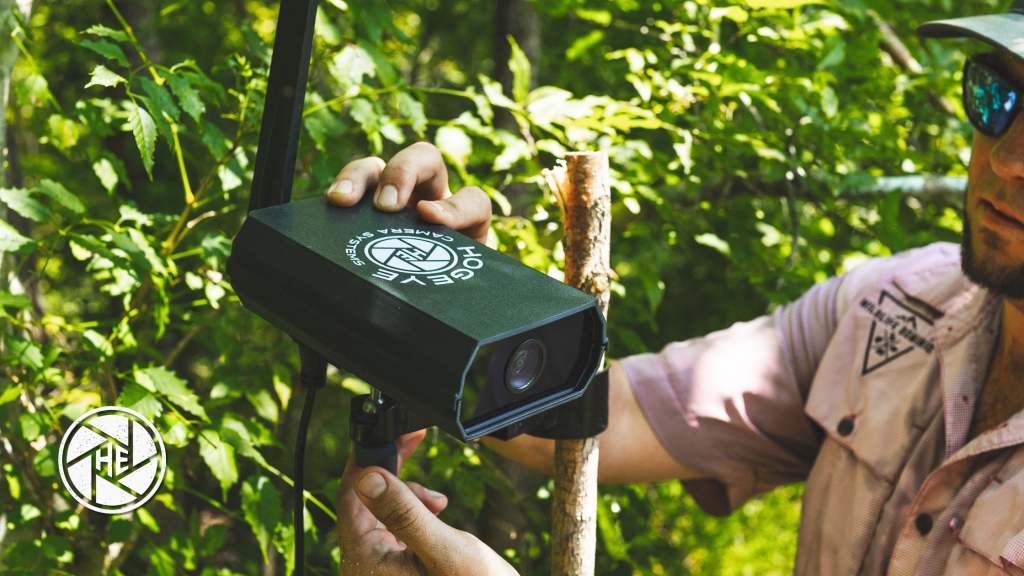
Automation has changed nearly every part of modern ranch management—but nowhere is the impact more dramatic than in hog trapping. What used to require long nights, repeated site checks, and constant second-guessing can now be handled with remote visibility, precise triggering, and engineered reliability. But as more ranchers adopt automated systems, a hard truth has emerged: trap trigger safety is only as strong as the hardware, power, wiring, and connectivity behind it.
Cheap or DIY automation introduces real risk. A weak power system can reboot a camera right as a full sounder enters the trap. A low-quality latch can fail under gate load. A poorly shielded wire can corrode and prevent a trigger from firing. And shaky LTE connectivity can delay commands long enough to lose the entire capture.
This guide breaks down the most common automation failure points, explains why they occur, and outlines how HogEye engineering prevents misfires, delays, and dangerous system downtime. If you’re considering automation—or already using it—this is the safety framework every rancher needs.
Why Automation Safety Matters for Ranch Trapping
Automation improves efficiency, extends monitoring coverage, and enables perfect trap timing—but only when the underlying system is engineered correctly. A single point of failure can cause:
- A missed full-sounder capture
- A dangerous premature gate drop
- A gate failing to close at all
- A camera rebooting at the wrong moment
- An entire system going offline silently
In ranch conditions—rain, heat, mud, brush, low LTE signal—cheap automation components simply cannot perform consistently. Safety isn’t an optional feature in trapping. It is the foundation that determines whether automation actually works.
This section explains the four most common failure categories found in DIY or low‑end automated trap systems.
Common Automation Failure Points in Ranch Systems
1. Power System Failures (The #1 Cause of Automation Misfires)
Most cheap trapping systems use:
- Small trickle‑solar panels
- 9V batteries
- Inexpensive lithium packs
- Unregulated, hobby‑grade charge controllers
These may work for backyard cameras—but ranch automation requires continuous, stable power. When voltage drops, even briefly, your system may:
- Reboot the camera mid‑capture
- Freeze the video feed
- Delay a trigger command
- Miss motion events
- Shut off completely
Engineered Solution: HogEye uses large-format solar, weather‑rated charge controllers, and Group 29/31 deep‑cycle batteries designed for multi‑week runtime and continuous LTE streaming.
2. Latch Failures: The Most Dangerous Failure Point
Latch failures directly cause missed captures. Cheap systems rely on:
- Kerong latches
- Generic AliExpress/Amazon latch kits
- Weak motors not rated for trap gates
- Plastic housings that warp in heat
Real-world problems include:
- Latches sticking under mud or moisture
- Low voltage preventing a full throw
- Motors burning out mid‑season
- Electrical shorting during storms
Engineered Solution: HogEye integrates industrial‑grade latching systems with sealed housings, high‑force actuators, and weatherproof wiring—built specifically for large traps and gates.
3. Wiring & Connection Failures
Wiring is the silent killer of automation systems. Common DIY issues include:
- Non‑sealed connectors
- Exposed copper
- Low‑amperage wiring not meant for outdoor use
- Moisture wicking through unshielded lines
- Loose crimps or twist‑together joins
These failures lead to:
- Voltage drops
- Partial triggers
- Short circuits
- System outages during rain or dew
Engineered Solution: HogEye uses ranch‑grade, weather‑sealed wiring with heat‑shrink protection and durable outdoor connectors designed for years of exposure.
4. Connectivity Problems (LTE Signal Instability)
Automation requires live, real‑time communication. Cheap or DIY systems often use:
- Prepaid SIM cards
- Multi‑carrier travel SIMs
- Consumer‑grade antennas
- LTE modems not optimized for video
Connectivity failures create:
- Trigger delays
- Frozen video
- Missed hog activity
- Offline traps during peak hours
Engineered Solution: HogEye uses optimized LTE with:
- Multi‑band tower lock
- Smart bitrate control
- Stable streaming even in low‑signal areas
- Carrier‑level data agreements
Comparison Table: DIY Automation vs Engineered HogEye Automation
| Feature | DIY / Cheap Automation | HogEye Engineered Automation |
| Power System | Trickle panel, 9V, hobby solar | Deep‑cycle battery + optimized solar |
| Latch Reliability | Kerong / generic latch kits | Industrial, sealed, high‑force actuators |
| Wiring Quality | Exposed, non‑sealed connectors | Weather‑sealed, outdoor‑rated wiring |
| Connectivity | Prepaid SIMs, weak LTE | Optimized LTE with buffering & shaping |
| Video Feed | Photo alerts or lagging video | Real‑time live video |
| Trigger Reliability | Delayed / inconsistent | Immediate, tested response |
| Diagnostics | None | Power + signal + uptime monitoring |
| Safety | High risk of misfires | Low risk, engineered chain |
Engineering Best Practices to Prevent Trigger Failures
Use a Proper Off‑Grid Power Platform
Every automated trap must have:
- A true deep‑cycle battery (Group 29 or 31)
- A matched solar array sized for climate
- A stable, regulated charge controller
Cheap power systems are responsible for 60–70% of all automation failures.
Select Industrial‑Grade Latches Only
Avoid consumer latches at all costs. Look for:
- Fully sealed housings
- Heat‑rated motors
- Stainless components
- Adequate force for trap gates
If a latch fails in mud or humidity, the entire sounder is lost.
Seal and Protect Every Wire Path
All wiring should be:
- Shielded
- Heat‑shrink sealed
- Rated for outdoor amperage
- Routed through protection tubing
One exposed connection can take the entire system offline.
Ensure LTE is Optimized for Remote Triggering
The system must:
- Stream live video without freezing
- Hold connection through low bandwidth
- Send commands instantly
- Avoid prepaid SIM shutdowns
Automation requires ultra‑stable LTE, not consumer connectivity.
Real Ranch Example: The Misfire That Lost a Sounder
A ranch in eastern Oklahoma used a DIY automated setup with:
- A Kerong latch
- A prepaid SIM
- Bare wiring wrapped with electrical tape
- A trickle solar panel
When a 19‑hog sounder entered the trap, the rancher hit “trigger.”
Nothing happened.
Voltage had dropped below the threshold needed to fire the latch. By the time the system rebooted, the hogs had exited the trap.
One failed component = hundreds of dollars in lost damage and missed opportunity.
With HogEye’s engineered automation chain, that misfire would never have occurred.
Conclusion: Ensuring Trap Trigger Safety in Ranch Automation
Automation only works when every component—power, latch, wiring, LTE, and monitoring—is engineered to ranch standards. Cheap systems cut corners, leaving ranchers vulnerable to misfires, signal drops, and expensive missed captures. HogEye eliminates these risks through a fully engineered automation chain built for real‑world livestock environments. With stable power, industrial hardware, sealed wiring, and optimized LTE, ranchers get dependable performance and confident triggering every night of the season.
Frequently Asked Questions (FAQ)
Q: What causes most automated trap failures?
Weak power systems and cheap latches are responsible for the majority of misfires.
Q: Does LTE signal affect trap safety?
Absolutely. Delayed commands or frozen video feeds can ruin a full‑sounder capture.
Q: Can I use my own solar panel or battery?
It’s not recommended—improper sizing causes voltage drops and reboots.
Q: Are DIY latches safe?
No. Most aren’t rated for heavy trap gates and fail under mud, humidity, or cold.
Q: How does HogEye prevent misfires?
Industrial latches, sealed wiring, deep‑cycle power, and optimized LTE streaming.
Q: Do I need technical experience to run automation?
Not with HogEye—everything is designed for ranch‑ready simplicity.
Want to learn more about trap trigger safety? Our team can walk you through how HogEye’s smart trapping technology works on real ranches.
Talk to HogEye: https://hogeyecameras.com/buy-now/
Camera Resources: https://hogeyecameras.com/camera-resources/
Hog Traps: https://hogeyecameras.com/hog-traps/