
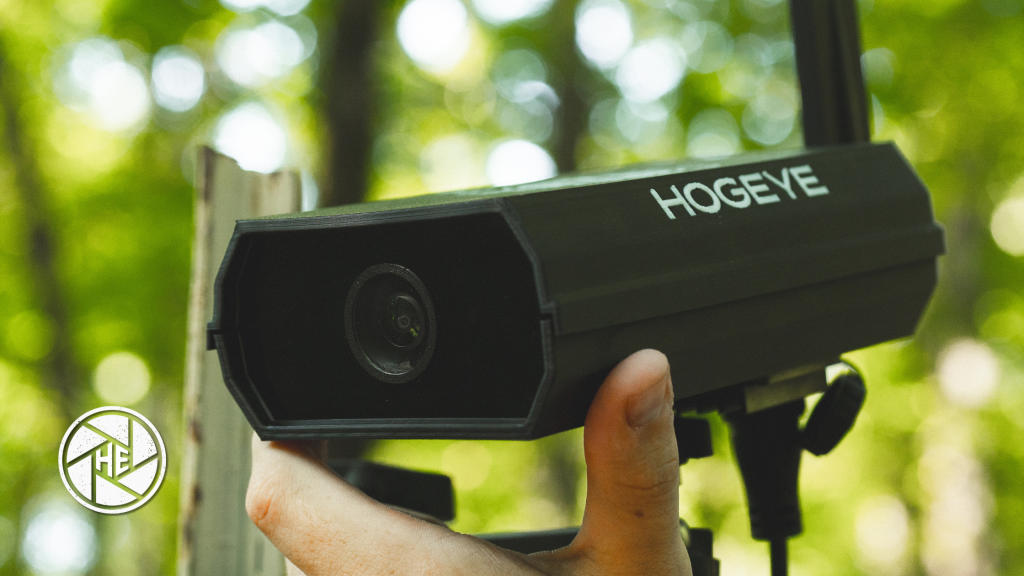
Hog behavior data proves that hog movement is not random. Sounders follow predictable patterns influenced by food availability, pressure, weather, moon phase, and past trap experiences. For years, land managers and ranchers relied on guesswork, walking signs, or delayed photos to understand when hogs would arrive or how long they would stay. Today, with live data, motion histories, and real-time video, ranchers can forecast sounder behavior with surprising accuracy—and dramatically increase capture success.
When you know when hogs enter, how long they feed, where they hesitate, and which routes they favor, you can time traps perfectly, eliminate wasted nights, and coordinate multi-trap networks. This guide breaks down how live data transforms capture strategy, what patterns matter most, and how HogEye gives trappers the visibility needed to predict hog movement reliably.
Why Hog Behavior Data Matters in Live Hog Capture Optimization
Live data replaces guesswork with actionable insight. Instead of depending on:
- Scattered photos
- Old rooting sign
- Inconsistent trail camera logs
Land managers using real-time data gain:
- Exact entry times
- Group size confirmation
- Movement pacing and hesitation patterns
- The ability to predict if more hogs are approaching
- Visibility into feeder influence and conditioning cycles
Data doesn’t just inform trapping—it radically improves it.
Key Hog Behavior Data: Sounder Patterns Every Rancher Should Track
1. Entry Windows (Time of Night and Feeding Cycles)
Most sounders follow a repeatable pattern, often entering traps:
- 30–60 minutes after sunset
- In 2–3 waves
- After circling or scouting first
Live data helps land managers verify the exact timing for each site.
2. Hesitation Points (Where Hogs Pause or Pace)
Hogs often:
- Pause outside the entrance
- Pace around feeder edges
- Wait for dominant hogs to enter first
Understanding hesitation zones shows where to adjust camera angles, feeder placement, and gate positioning.
3. Sounder Grouping Behavior
A single hog entering does NOT mean the group has committed. Live video confirms whether:
- More hogs are behind
- The group is circling
- The full sounder is ready to enter
4. Return Patterns
Live data logs indicate whether hogs are:
- Regular nightly visitors
- Passing through sporadically
- Feeding for extended periods
This informs long-term trap positioning and baiting strategy.
Comparison Table: Photo-Based Monitoring vs Live Data Monitoring
| Feature | Photo-Based Systems | Live Data / Real-Time Video |
| Sounder Verification | Difficult or impossible | Immediate and accurate |
| Entry Timing | Delayed or unclear | Precise, minute-by-minute |
| Behavior Insight | None | Full tracking of pacing, circling, feeding |
| Trigger Confidence | Low | High—know exactly when to drop |
| Conditioning Visibility | Limited | Clear view of feeder patterns |
| Predictive Value | Very low | High—clear behavioral trends |
How Live Hog Behavior Data Improves Capture Success
Real-Time Verification of Full Sounder Entry
The #1 cause of missed captures is dropping the gate too early. Live data prevents this by showing:
- How many hogs have entered
- Whether additional hogs are approaching
- Whether the sounder is still circling
Predicting Movement Based on Historical Patterns
Live data builds a log of activity, revealing:
- Peak nights
- Entry windows
- Optimal trap reset times
Ranchers use this data to anticipate movement—not react to it.
Identifying Pressure or Spook Events
If hogs spook or avoid the trap, live data shows:
- The exact cause
- The direction they fled
- How long before they return
This is impossible with photo-only systems.
Using Multiple Traps to Predict Sounder Routes
Hogs travel along predictable corridors. Multi-trap data reveals:
- Cross-property routes
- Preferred water-to-feed travel paths
- Funnel points where trap placement is ideal
By analyzing movement across multiple cameras, land managers can predict not just when hogs will appear—but where they’ll go next.
Real Trapping Example: Using Hog Behavior Data to Predict a 22-Hog Capture
A land owner in central Alabama used HogEye live data for three weeks. Patterns revealed:
- Sounders entered between 10:40 PM–11:15 PM
- A 4-hog scout wave always entered first
- The remaining 18 followed within 4–7 minutes
Armed with this data, the landowner waited for:
- Full-sounder confirmation
- The dominant sow’s entry
- No movement at the perimeter
He dropped the gate at the perfect moment, capturing all 22 hogs.
Without live data, he likely would’ve dropped early—and lost most of the sounder.
Predicting hog behavior isn’t magic—it’s data. Live video and motion history reveal exactly how sounders move, feed, and respond to trap setups. With this insight, landowners eliminate uncertainty, improve capture timing, and confidently plan trapping strategy around real patterns—not assumptions.
HogEye gives landowners the real-time visibility and behavioral insight needed to transform trapping efficiency and achieve consistent full-sounder captures.
Frequently Asked Questions (FAQ)
Q: How long does it take to detect sounder patterns?
Most landowners see patterns within 5–10 nights of consistent monitoring.
Q: Does weather affect sounder movement?
Yes—storms and moon phases change timing. Live data shows these shifts clearly.
Q: Can live data help with multiple traps?
Absolutely. It reveals travel corridors and optimal trap spacing.
Q: Do hogs return after a failed capture?
Sometimes, but live data helps identify spook events and modify setups.
Q: Is live data useful for more than trapping?
Yes—property monitoring, feeder management, and wildlife activity.
Want to learn more about hog behavior data? Our team can walk you through how HogEye’s smart trapping technology works on real ranches.
Talk to HogEye: https://hogeyecameras.com/buy-now/
Camera Resources: https://hogeyecameras.com/camera-resources/
Hog Traps: https://hogeyecameras.com/hog-traps/