
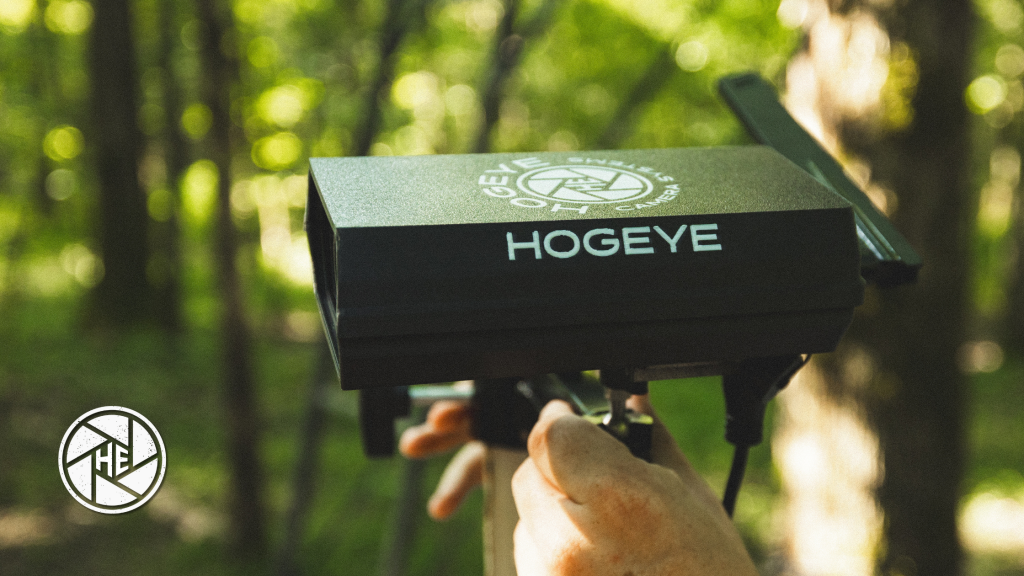
Smart trapping isn’t just a technological upgrade, it’s a fundamental shift in how landowners manage their land, time, and capture results. Using a smart hog trap, land managers move beyond late-night checks, manual judgment, and hoping hogs behave predictably. Modern land management operations can’t afford guesswork.
Automation solves that problem. With live video, remote triggering, and system monitoring, landowers execute perfect captures more often—and with far fewer resources.
This article explains how smart trapping systems work, why they outperform manual methods, and what modern landowners gain by upgrading.
Smart trapping isn’t just a technological upgrade—it’s a fundamental shift in how land owners manage their land, time, and capture results. The old trapping model relied heavily on late-night checks, manual judgment, and the hope that hogs behaved predictably. Modern land management operations can’t afford guesswork.
Automation solves that problem. With live video, remote triggering, and system monitoring, landowners execute perfect captures more often—and with far fewer resources.
Smart Hog Trap Systems: How Automation Is Reshaping Hog Control
Smart trapping isn’t just a technological upgrade—it’s a fundamental shift in how landowners manage their land, their time, and their capture results. The old trapping model relied heavily on late-night checks, manual or passive traps, and the hope that hogs behaved predictably. But hogs don’t behave predictably, and modern land management operations can’t afford guesswork.
Automation finally solves that problem. With live video, remote triggering, and system monitoring, landowners can execute perfect captures more often—and with far fewer resources.
This article breaks down exactly how smart trapping systems work, why they outperform manual setups, and what modern land managers gain by upgrading.
Wild hogs aren’t just a nusance, but a real ecological threat to wildlife and the land. Hog trapping is a more effective solution and has evolved into a new “smart” era of trapping. What used to rely on guesswork, late-night site visits, and manual observation is now guided by automation, live data, and real-time decision-making. Smart trapping systems give landowners a level of visibility and control that was impossible 15 years ago—and the results speak for themselves.
From remote triggering to multi-trap coordination, automation is reshaping how landowners manage land, protect crops, and capture full sounders with far greater efficiency. This article breaks down exactly how smart trapping systems work, why they outperform manual setups, and what modern ranchers gain by upgrading.
Why Smart Hog Traps and Automation Matter in Hog Control
Traditional trapping requires:
- Frequent in-person checks
- Manual assessment of hog behavior
- Guessing when the full sounder has entered
- Physically triggering or resetting traps
These methods are slow, resource-heavy, and prone to error. Automation removes the guesswork.
Smart trapping systems provide:
- Remote trap triggering
- Continuous live video verification
- Automated alerts
- Power and system health monitoring
- Multi-user coordination
With automation, ranchers no longer have to be physically present—or continuously watching—to make the perfect capture decision.
Comparison Table: Manual Trapping vs Smart Hog Trap Automation
| Feature | Manual Trapping | Smart Automated Trapping (HogEye) |
| Trap Timing | Passive | Live, precise, verified |
| Sounder Verification | Limited | Full real-time confirmation |
| Labor Required | High | Low |
| Fuel Costs | Frequent site visits | Up to 80% reduction |
| Capture Rates | Inconsistent | Significantly higher |
| Night Trapping | Risky, blind | Fully visible via live video |
| System Failures | Often unnoticed | Alerts & diagnostics included |
| Scalability | Limited to 1–2 traps | Multiple traps from one device |
Smart trapping isn’t just more convenient—it is materially more effective.
How Smart Hog Trap Systems Work
Modern automated systems combine hardware, software, and network engineering into a unified solution.
1. Real-Time Video Monitoring
This is the foundation of automation. With live LTE video, landowners can:
- Count hogs
- Monitor entry behavior
- Confirm full-sounder presence
- Trigger with confidence with more control
2. Remote Trap Triggering
Instead of passively trapping hogs or scaring off sounders with loud passive traps, landowners can drop a gate or net from:
- A phone
- A computer
- Anywhere with a data connection
3. System Health Monitoring
Automated traps send notifications for:
- Battery voltage
- Solar performance
- Signal strength
- Camera uptime
No more surprises or mid-night failures.
4. Multi-User Access
Teams can collaborate, allowing:
- Shared monitoring responsibilities
- Training for new operators
- Shared trap visibility across properties
5. Capture Data & Behavior Insights
Automation reveals:
- Entry times
- Sounder patterns
- Repeat visits
- Seasonal movement
This data improves future trapping strategy.
Why Automation Improves Capture Success
Smart trapping systems significantly increase full-sounder capture rates due to:
1. Better Timing
Continuous live video eliminates premature triggers.
2. Better Visibility
Knowing exactly what’s happening at the trap prevents missed opportunities.
3. Better Efficiency
Automation reduces labor and allows landowners and land managers to manage multiple traps at once.
4. Better Reliability
Automated systems diagnose problems before they cause downtime.
Ranchers who upgrade report more consistent captures and fewer wasted nights.
Real Land Management Scenario: Automation vs Manual Methods
A land manager operating three traps across two properties saw:
- 12–14 site visits per week (manual)
- $250–$400 monthly in fuel
- Missed captures due to limited visibility or trap-shy hogs
After switching to automation:
- Site visits dropped to 3–4 weekly
- Capture rates increased by 40%+
- Night trapping became far safer and more efficient
Automation paid for itself in the first season.
The HogEye Advantage in Smart Trapping
HogEye leads the smart trapping category due to:
- True real-time video
- Optimized LTE connectivity
- Deep-cycle power architecture
- Industrial-grade trap trigger hardware
- Ruggedized tough construction
- Multi-trap management from a single dashboard
Automation only works when every component—from latch to camera to data—operates flawlessly. HogEye is engineered to meet that expectation.
Smart Hog Trap Automation Is the Future of Hog Control
Automation represents the next major evolution in hog management because it eliminates uncertainty. Landowners no longer have to gamble on timing, drive long distances to check sites, or hope that hogs are behaving as expected. Instead, automation offers clarity, precision, and a significant reduction in wasted labor. When every aspect of a trap—power, visibility, timing, and trigger control—is managed by intelligent systems, the result is more reliable captures, healthier pastures, and more efficient land management operations. HogEye takes these advantages and packages them into a rugged, field‑tested solution that works in the worst conditions and delivers results season after season.
Frequently Asked Questions (FAQ)
Q: Do smart trapping systems still work in low‑signal areas?
Yes. HogEye uses optimized LTE technology engineered for poor signal environments. It maintains stable streams where consumer cameras fail. However, if you are unsure of your location, you can contact our team, and they can help determine if you need an additional antenna or a satellite version of the HogEye Camera.
Q: Can multiple people monitor the same trap?
Absolutely. HogEye supports multi‑user access so land managers, landowners, and wildlife teams can all monitor traps in real time.
Q: Does automation mean traps trigger automatically?
No—HogEye provides remote human‑controlled triggering. Automation improves visibility and reliability, but the landowner or land manager always decides when to drop the gate.
Q: What happens during cloudy or cold weather?
HogEye’s deep‑cycle battery and efficient solar design provide days of runtime without sunlight, outperforming cheap trickle‑solar setups.
Want to see how automation could transform your trapping results? Our team can walk you through how HogEye’s smart trapping technology works on real ranches.
Talk to HogEye: https://hogeyecameras.com/buy-now/
Camera Resources: https://hogeyecameras.com/camera-resources/
Hog Traps: https://hogeyecameras.com/hog-traps/