
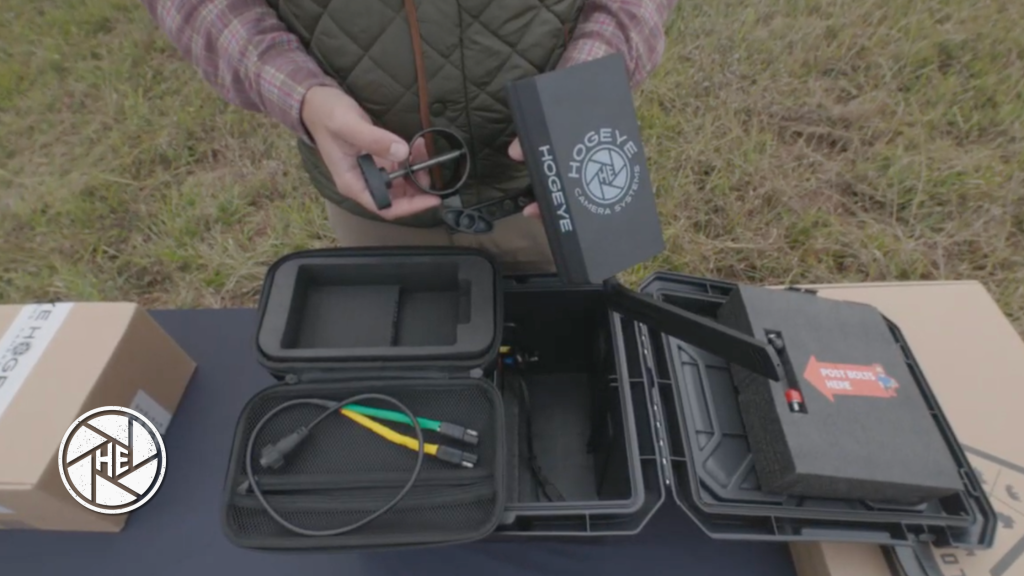
A modern ranch isn’t built trap-by-trap anymore—it’s built as an integrated smart ranch network. Ranchers managing large acreages, multiple sounders, or remote pasture systems are increasingly turning to multi-trap smart ranch networks that provide centralized visibility, coordinated triggering, and efficient off-grid power management.
Instead of treating each trap as a standalone setup, a smart ranch network connects:
- Cameras
- Gates
- Feeders
- Solar systems
- Remote-trigger devices
This creates a unified system that lets ranchers monitor more land, reduce labor, and respond instantly to hog activity across multiple sites.
This guide explains exactly how to design a multi-trap network, what equipment it requires, and why it outperforms traditional single-trap setups.
Why Multi-Trap Networks Matter for Modern Ranches
Building a multi-trap network increases coverage across large acreages and improves capture probability. Instead of relying on a single trap site, ranchers can strategically deploy multiple traps that communicate through centralized monitoring. This reduces time on the road, distributes hog pressure, and increases full-sounder success.
Smart Ranch Network Components
A high‑performing multi‑trap system includes several integrated parts:
Cameras for Real-Time Visibility
Live video cameras at each trap provide immediate insight into hog behavior, trap status, and full-sounder entry.
Smart Gates and Remote Triggers
Coordinated gates let ranchers manage multiple traps from a phone or computer, dropping them instantly when conditions are right.
Solar Power and Deep-Cycle Batteries
Each trap site needs dependable off‑grid energy to keep cameras, gates, and sensors online through rain, heat, or extended cloud cover.
Feeders and Attraction Systems
Programmable feeders condition hogs consistently, creating predictable movement patterns that increase capture rates across all trap locations.
Comparison Table: Single-Trap vs Multi-Trap Systems
| Feature | Single Trap Setup | Multi-Trap Smart Network |
| Coverage | Limited to one area | Covers multiple hog travel paths |
| Capture Opportunities | One per night | Multiple simultaneous opportunities |
| Labor Required | Higher | Lower with centralized management |
| Fuel Consumption | Frequent travel | Fewer site visits |
| Trap Coordination | None | Unified across all traps |
| Full-Sounder Capture Rates | Moderate | Significantly higher |
How to Build Your Multi‑Trap Smart Network
Step 1: Map Hog Movement Patterns
Analyze:
- Trails and rooting zones
- Damage sites
- Water sources
- Crop edges
Place traps along the most trafficked routes.
Step 2: Position Cameras Strategically
Each trap requires a camera angle that captures:
- The bait site
- The gate
- Hog entry patterns
Step 3: Implement Centralized Monitoring
Use a dashboard that allows:
- Multi‑trap live video feeds
- Coordinated alerts
- Trap status checks
Step 4: Power Each Station Reliably
Use:
- Solar arrays
- Deep-cycle battery storage
- Weather‑sealed wiring
Step 5: Train Ranch Teams
Multiple users should understand how to:
- Verify sounder entry
- Trigger traps remotely
- Log captures
- Coordinate resets
Benefits of a Multi‑Trap Smart Ranch Network
- Expanded property coverage
- Faster hog population reduction
- Greater capture efficiency
- Reduced labor and fuel usage
- Better long-term land protection
Conclusion
A multi‑trap smart ranch network gives landowners the tools to monitor more acreage, coordinate trap activity, and capture full sounders with far greater efficiency. With real-time visibility, remote triggering, and dependable off‑grid power, ranchers can scale their trapping efforts without scaling workload. HogEye delivers the infrastructure and reliability needed to run multiple traps confidently, night after night.
Frequently Asked Questions (FAQ)
Q: How many traps can a single ranch network support?
Most ranchers run between 2–6 traps, depending on acreage and hog activity.
Q: Do I need strong LTE at each trap site?
A moderate signal is enough—HogEye’s optimized LTE performs reliably where consumer cameras fail.
Q: Can multiple users monitor the network?
Yes. Teams can access live streams and trigger gates collaboratively.
Q: Does each trap need its own power system?
Yes. Every site uses solar and a deep-cycle battery to ensure continuous uptime.
Want to see how a smart ranch network could improve your multi-trap management? Our team can walk you through how HogEye’s integrated systems work across real ranches.
Talk to HogEye: https://hogeyecameras.com/buy-now/
Camera Resources: https://hogeyecameras.com/camera-resources/
Hog Traps: https://hogeyecameras.com/hog-traps/