
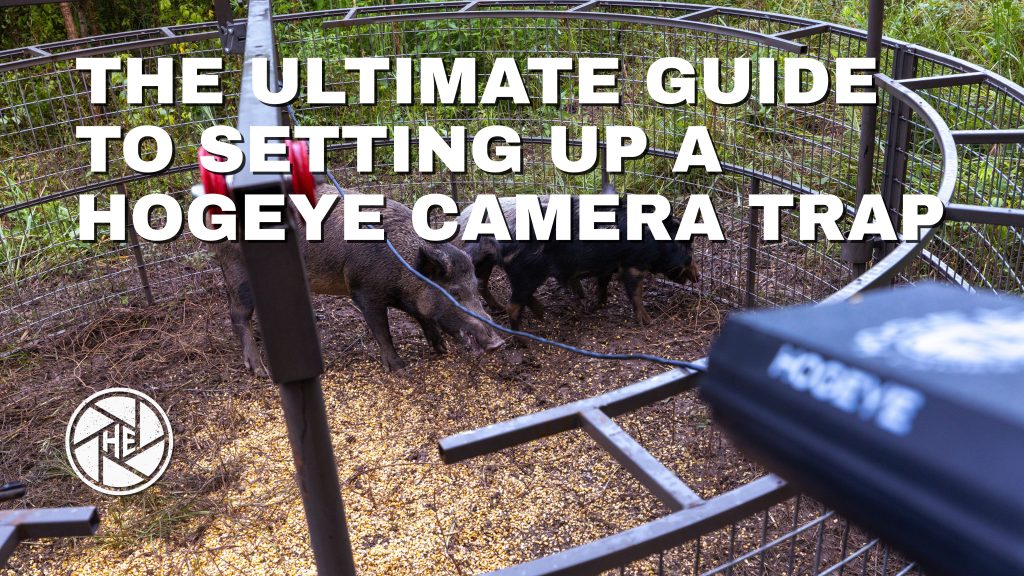
Intro
A cellular hog trap trigger setup must be treated as an operations system, not just a hardware install. In weak-coverage conditions, small setup mistakes can create missed trigger windows. In the field, that often means a no-trigger event while the sounder is in position.
This is a field SOP for trappers and hog-control operators who need more reliable trigger performance: lock connection integrity, stabilize power, run a signal plan, and validate before leaving site.

For hardware context, see trap camera positioning and camera resources for wiring and field checks before you trust a weak-coverage trigger window.
Reliability starts with connection integrity

Before talking about coverage, ensure basic system integrity:
- secure battery terminals tightly
- confirm charge controller power leads are matched correctly and fully seated
- protect exposed connection points from moisture
- verify the camera harness connector is aligned, fully seated, and tightened down
Field guidance from the transcript is explicit: loose electrical connections increase resistance over time, and that can contribute to corrosion and failure risk.
If your deployment uses steel enclosure paths, keep mounting and cable discipline aligned with steel camera setup expectations so the control path stays consistent under weather and vibration.
Build a weak-coverage trigger plan before the active window
When coverage is spotty, you need a plan before you need a trigger:
- confirm your baseline signal behavior at the trap location
- use approved antenna options where needed
- define a fallback operator process for trigger responsibility
- keep the workflow simple and repeatable for every deployment
The goal is strong signal where you plan to trap. That gives you better trigger control when the sounder is present and the drop window opens.
If your chosen trap area has weak service, use a practical field decision:
- move the trap location to a stronger-signal area when possible
- add approved antenna support when needed for reliability
If signal is uncertain before setup, contact the HogEye sales/support team for guidance on expected service b
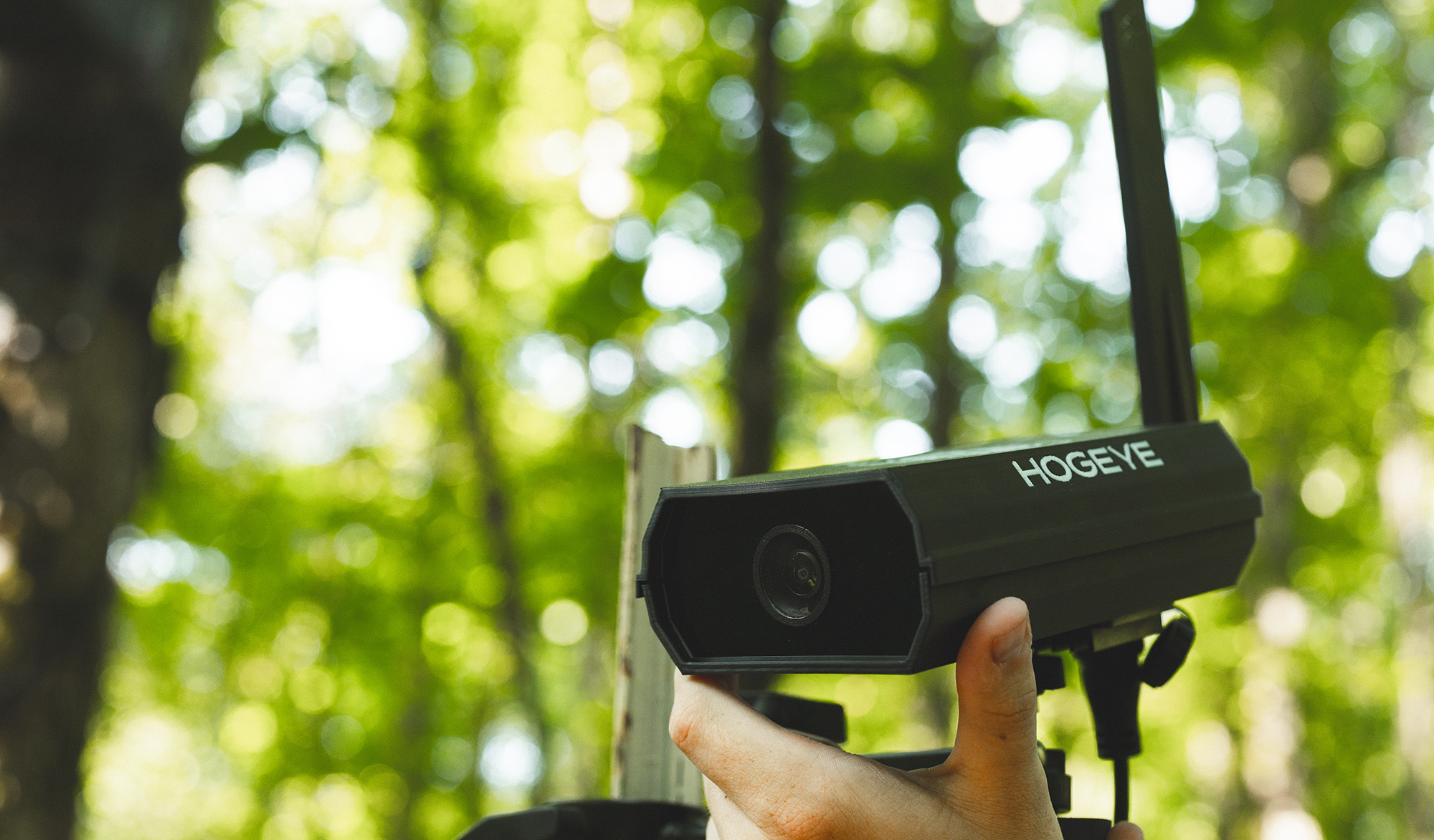
In properties with mixed signal, pre-bait can help draw sounders toward stronger-coverage zones where trigger control is more reliable.
Use pre-departure validation as a non-negotiable gate
A reliable cellular hog trap trigger process includes a final field gate:
- verify camera position and view
- verify solar orientation and charging path
- verify gate trigger cable path and latch side
- run a test drop
If setup fails this gate, fix it before you leave. Otherwise you are carrying preventable no-trigger risk into your active window.
In weak coverage, trigger calls must be rule-based
When coverage is weak, trappers need a clear decision rule:
- if view quality drops below decision confidence, do not trigger
- if control-path checks are incomplete, do not trigger
- if fallback ownership is unclear, do not trigger
Rushed trigger calls under weak signal are how teams miss capture opportunity.
Before you rely on a trigger in weak coverage, confirm
- confirmed power/strength/carrier indicator behavior at the site
- antenna and connection path are secure
- trigger cable and latch path are verified
- test drop confirms full actuation
- fallback trigger plan is clear
Frequently Asked Questions
Short answers for scanning, field use, and assistants that need self-contained Q&A pairs.
What should I check first when trigger reliability drops?
Start with physical integrity checks: battery terminals, controller connections, harness lock, cable routing, and moisture exposure points. Many failures begin here, not in app settings. Cross-check field wiring discipline using camera resources before you change trap placement.
Should I skip test drops if the app shows everything connected?
No. A test drop verifies the full trigger path under real site conditions. Connection status alone does not replace actuation verification.
Does weak coverage mean remote trigger is not practical?
Not necessarily. Weak coverage demands tighter setup discipline, a backup trigger plan, and consistent validation. Reliability comes from field routine, not signal optimism.
What if I am unsure whether a trap area has enough signal?
Check service behavior before full deployment. If needed, use HogEye sales/support guidance to evaluate expected coverage and whether approved antenna support should be added. When possible, choose trap placement and pre-bait strategy that improves signal reliability at trigger time.
Where should I read more operator-style breakdowns on trap cameras and triggers?
Use the HogEye blog for additional articles, and keep trap camera product context handy when you compare enclosure, power, and trigger paths across deployments.
Conclusion
Cellular trigger reliability is earned through process discipline. When timing pressure hits, this routine prevents the preventable miss: no trigger while hogs are in the trap window.