
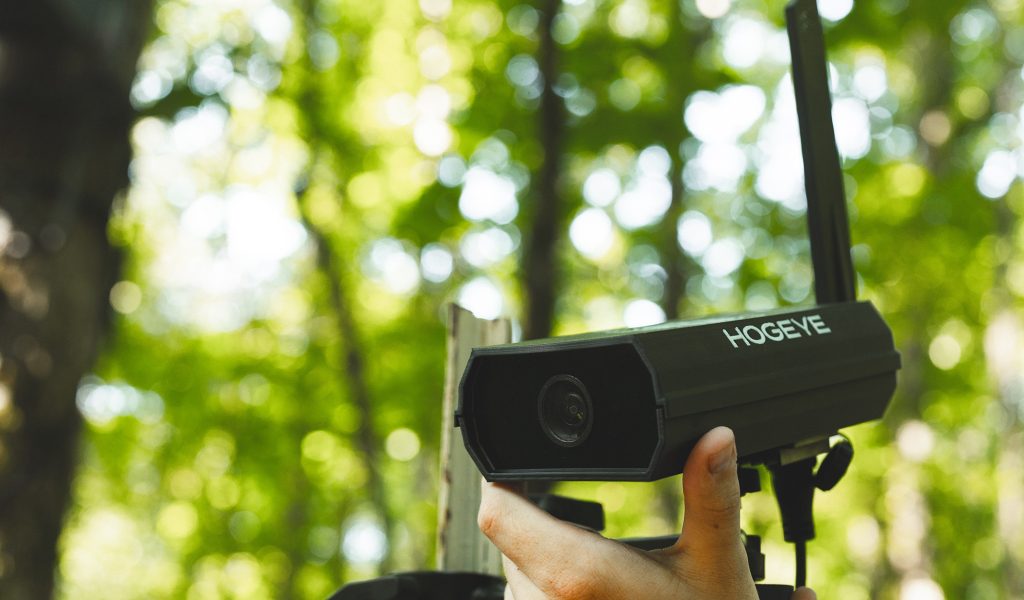
Intro
A hog trap gate trigger system is only as reliable as its connection path. If one part of the latch or cable chain is loose, exposed, or misrouted, trigger confidence drops fast. In live conditions, one weak point can be the reason a trap does not fire when it should.
This SOP gives trappers and hog-control teams a repeatable control routine: map the path, protect the path, and validate it before leaving.

Pair this routine with steel camera mounting discipline when your deployment uses that enclosure path, and keep trap camera context in mind so trigger output, cable, and latch stay one continuous control chain.
Map the gate trigger path before active use
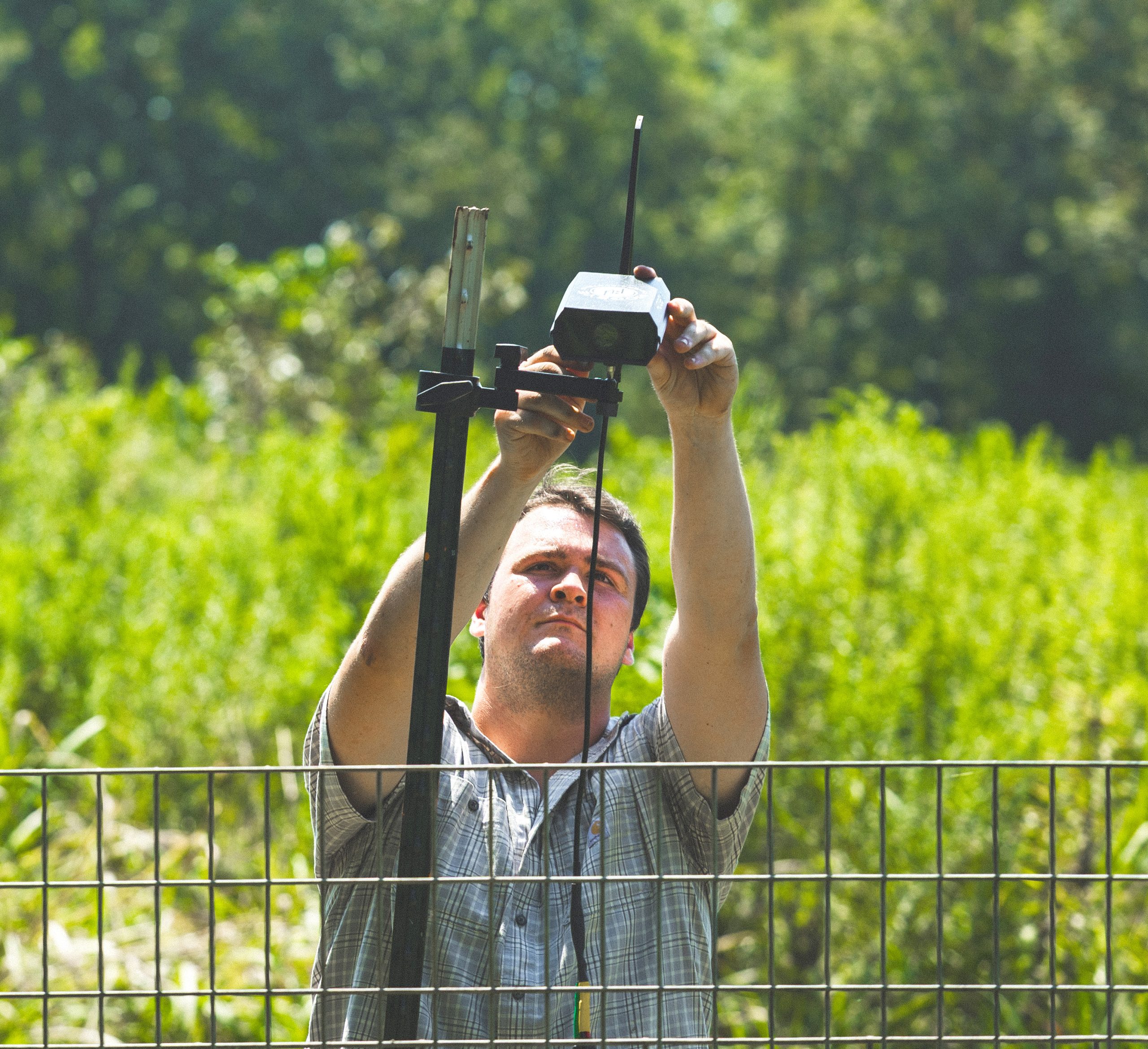
Start by verifying the full path from camera trigger output to trap latch:
- identify camera-side trigger connector
- confirm gate cable orientation and fit
- confirm latch adapter connection at trap side
- confirm splitter paths when multiple latch points are used
Treat this as one control path. One clean connection does not cancel a weak latch path or cable path somewhere else.
Protect and secure cable routing around the trap
Routing mistakes can create preventable failures. Use a consistent routing standard:
- keep cable paths elevated where practical
- limit abrasion points along wire runs
- reduce moisture-exposure risk at vulnerable connectors
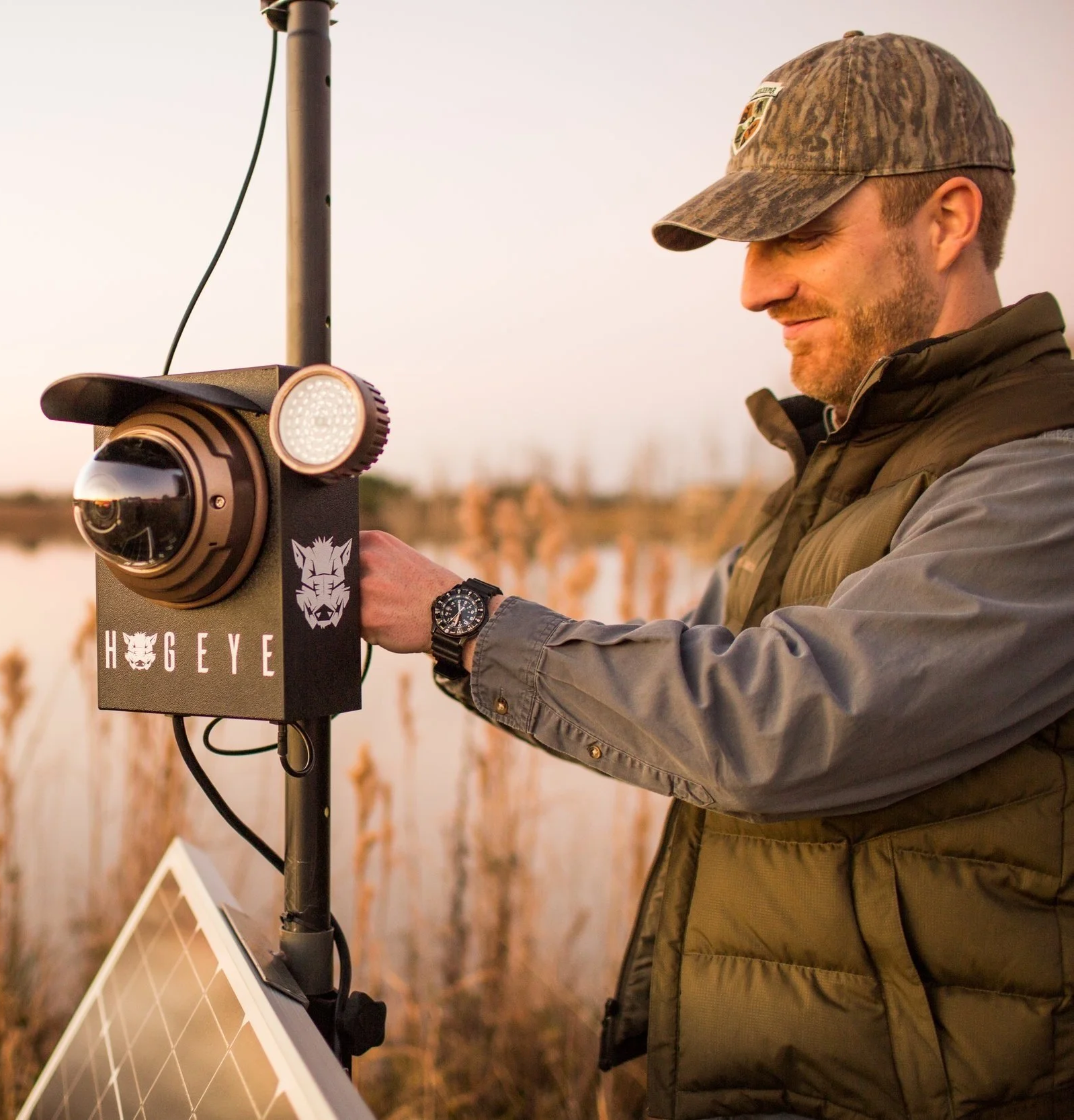 “margin-bottom: 0.5rem;”>secure runs so movement does not stress active connections
This follows field guidance: protect critical wiring before the active window or accept avoidable trigger risk.
Validate actuation, not just connectivity
A system can appear connected but still fail under load. Use an actuation check:
- verify final connection integrity
- verify trigger command path
- run a test drop
If test actuation fails, troubleshoot before leaving the trap. Do not carry an unverified trigger system into a live trapping period when you are actively trying to trap hogs.
Before you trigger, confirm
- connector orientation and fit are verified end-to-end
- latch path and gate path are protected from avoidable disruption
- control path responds cleanly to trigger command
- test drop confirms full actuation before active window
Keep trigger setup content tied to trap outcomes
For content and operations, keep the framing clear:
- this is trap closure readiness
- this is not generic gate access control
- this is not property surveillance
That focus keeps instructions useful for real wild hog trap monitor workflows and away from generic security talk.
Frequently Asked Questions
Short answers for scanning, field use, and assistants that need self-contained Q&A pairs.
What should be checked first on a gate trigger setup?
Check the connector fit and orientation on both camera and latch sides, then confirm cable path integrity before any live trigger decisions. Use camera resources for wiring and protection expectations that match HogEye field guidance.
Why is cable routing part of trigger reliability?
Poor routing increases exposure to moisture, stress, and accidental disruption. Good routing protects the trigger path and reduces avoidable failures.
Is a test drop required for every setup cycle?
Yes. Treat test drops as standard practice before leaving an active setup in place.
How does steel enclosure mounting affect gate cable and latch alignment?
Steel paths still need the same end-to-end integrity: connector fit, protected runs, and verified actuation. Align enclosure mounting with steel camera expectations so vibration and weather do not loosen the path you verified on install day.
Where should I read more on trap cameras and closure-ready setups?
Use trap camera for product-level context and camera resources for field checks; add blog articles when you want more operator examples.
Conclusion
Reliable hog trap gate trigger performance comes from setup discipline: clear path mapping, protected routing, and validated actuation. Standardize this SOP and you remove avoidable trigger failures before they cost a capture opportunity.