
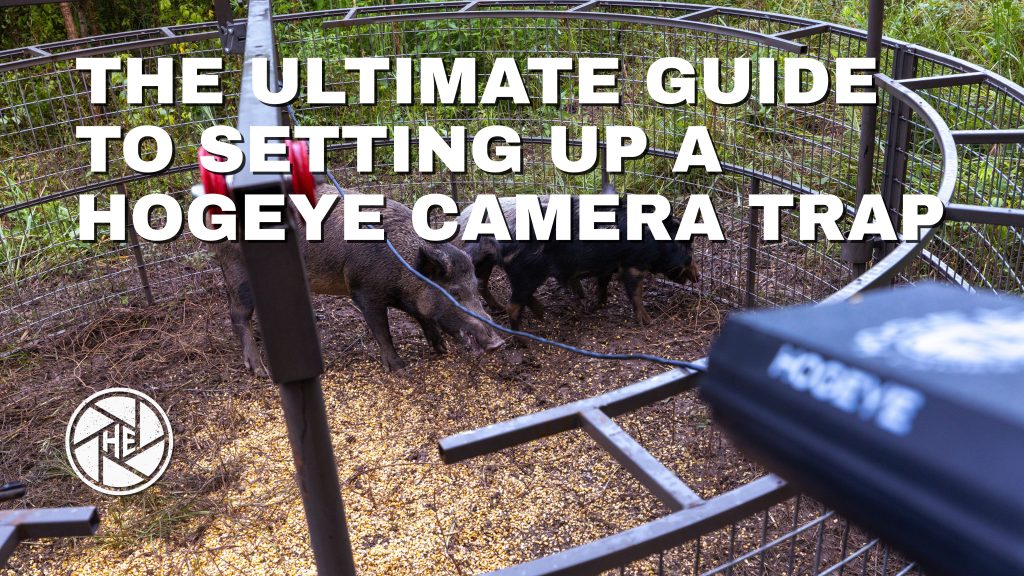
Intro
With a drop trap for hogs, timing is the decision that drives outcomes. Trigger too early, and you risk partial capture. Trigger too late, and the opportunity can disappear. In short, bad timing turns a good setup into a missed sounder opportunity.
This field workflow helps trappers make stronger trigger calls with a wild hog trap monitor: conditioning discipline, decision visibility, and repeatable readiness checks before every active window.
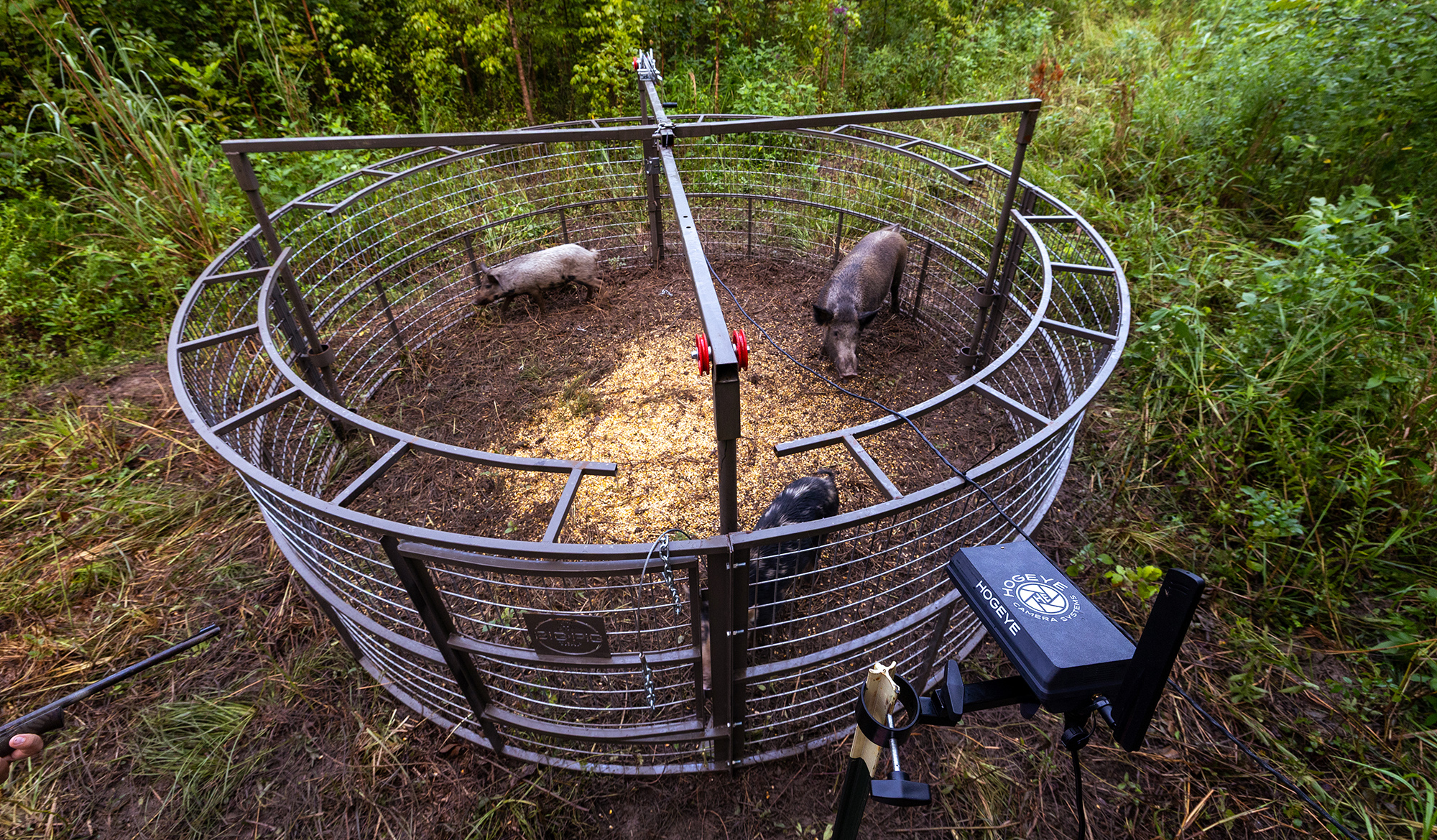
If you run net-style drops, compare this timing framework with net camera trap remote hog trapping product context so your decision window matches the hardware. For all trap types, keep camera resources open for power and connection checks.
Build timing decisions on conditioning, not guesswork
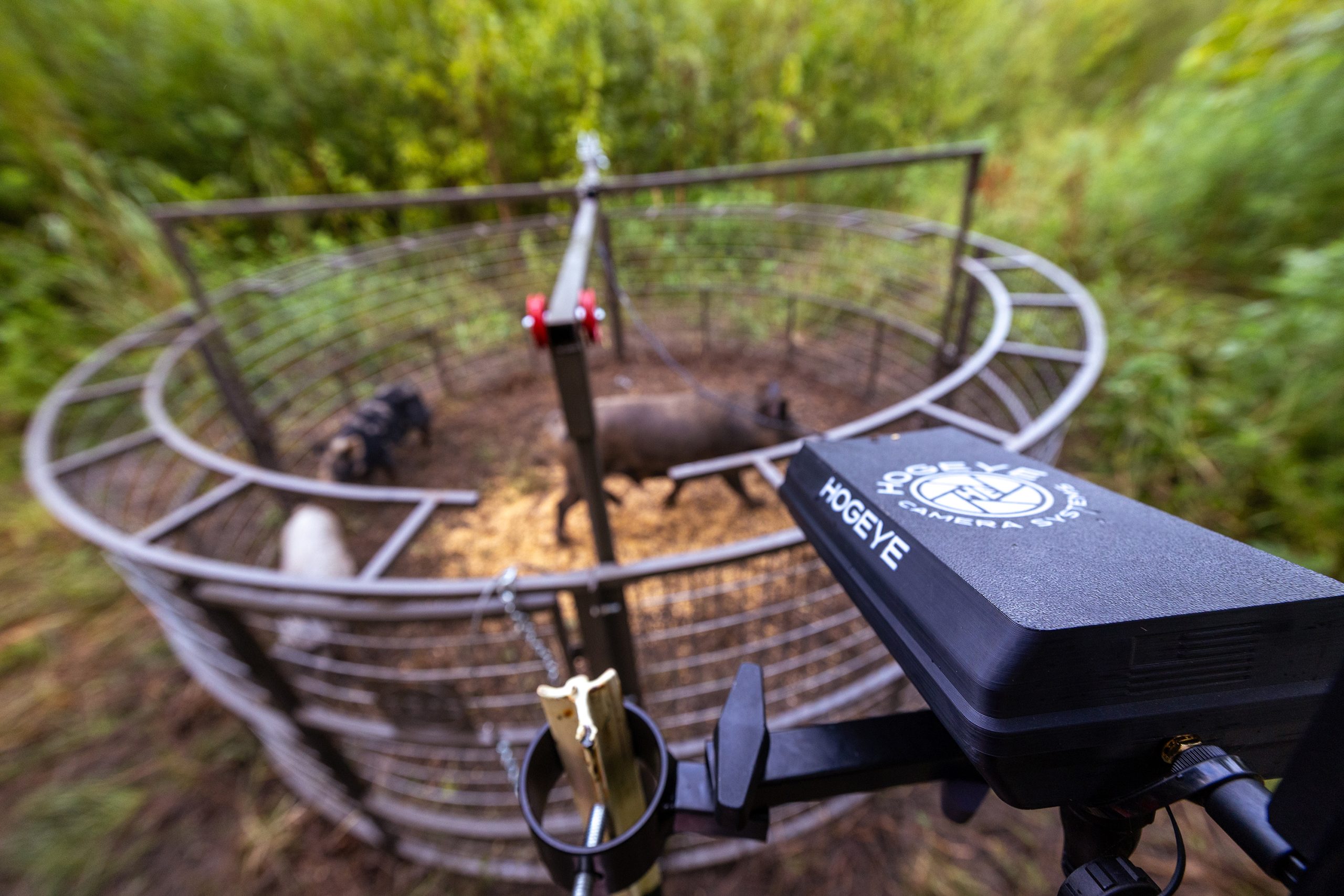
Drop timing quality starts before hogs arrive in the drop zone.
Use a conditioning-first approach:
- maintain consistent pre-bait pattern
- avoid changes that alter behavior near trigger windows
- monitor movement trends before active trigger periods
This gives you a more stable decision environment when timing pressure is high and the drop window is short.
Use camera view quality to reduce timing mistakes
A drop decision is only as good as the view supporting it.
Before relying on timing calls, confirm:
- the camera view captures the full decision area
 in-bottom: 0.5rem;”>power and charging path are stable
- trigger connections are secure and validated
Your setup has to support decision verification, not passive watching.
Apply a simple trigger timing framework
Use a structured framework instead of ad hoc calls:
- monitor current positioning
- verify sounder grouping and placement against your plan
- confirm readiness checks are complete
- execute trigger only when all conditions are met
Pair this with a mandatory test-drop check during setup. Skipping this check invites preventable failure when the decision moment hits.
Before you trigger, confirm
- conditioning phase behavior matches your plan
- decision visibility is clear for the full drop zone
- control path, latch path, and trigger path are verified
- backup ownership is clear for the active window
- test drop has already confirmed full actuation
Improve consistency with team communication rules
If multiple people are involved:
- define who owns trigger decisions
- define backup ownership in advance
- confirm status handoff before trigger windows
This reduces communication-driven errors when teams are working a high-consequence active window.
Frequently Asked Questions
Short answers for scanning, field use, and assistants that need self-contained Q&A pairs.
How do I avoid dropping too early?
Use a monitor-verify-trigger process with clear positioning criteria. Do not trigger on a partial opportunity unless your predefined plan says so. Confirm view quality and power path using the same checks described in camera resources before you trust a timing call.
Why does a test drop matter for timing decisions?
A test drop confirms system actuation before your live window. It reduces uncertainty when timing decisions become time-sensitive.
What is the biggest timing mistake in drop trap workflows?
Skipping process discipline. Most timing mistakes come from weak conditioning data, inconsistent setup checks, or rushed trigger calls under pressure.
How does a net drop trap timing workflow differ from other trap types?
Net drops still need conditioning discipline and decision visibility, but the closure moment is often one high-consequence decision. Align your plan with net trap camera context so timing rules match how the trap actually fires.
Where can I read more examples and operator breakdowns?
Use the HogEye blog for additional articles, and trap camera for product context when you compare camera placement and trigger paths across setups.
Conclusion
Strong drop trap timing is process quality in action. Teams that standardize conditioning checks, decision visibility, and trigger-readiness controls make better calls when the active window is short and stakes are high.